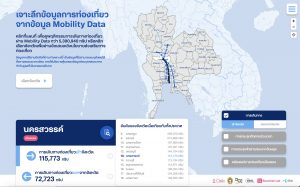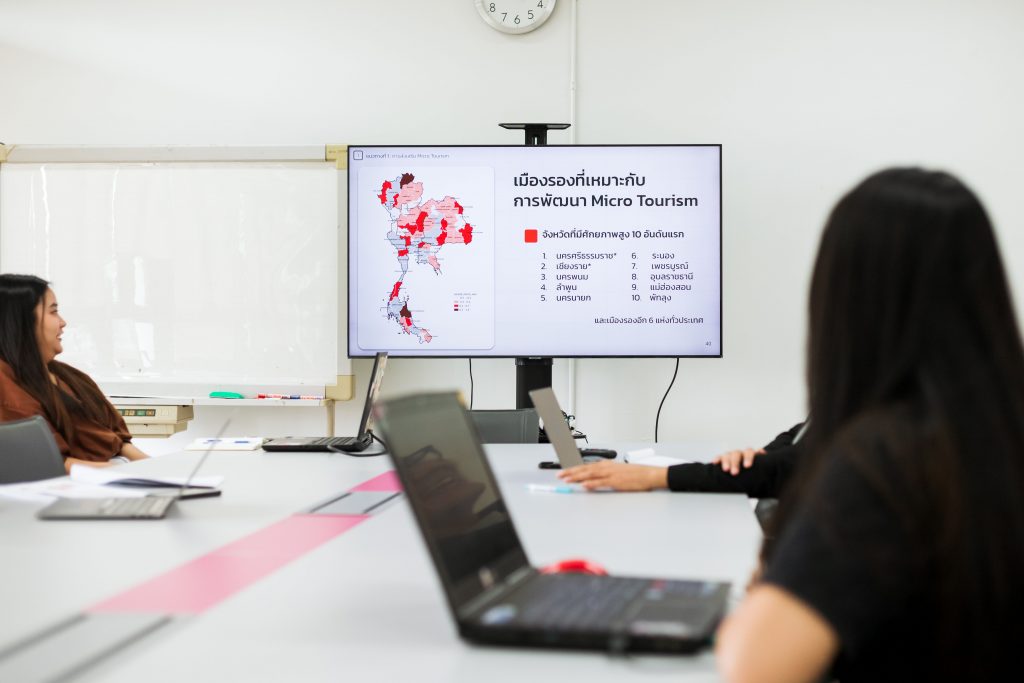




Likewise, the collaboration between dtac, Chulalongkorn University’s Faculty of Architecture, and Boonmee Lab also reveals the potential of mobility data in public-policy formulation. When compared with data from surveys, mobility data is much more extensive and the process of data collection is much more cost and time efficient. If used in policymaking, mobility data can drive massive impacts and innovations for sustainable economic, social and environmental development.
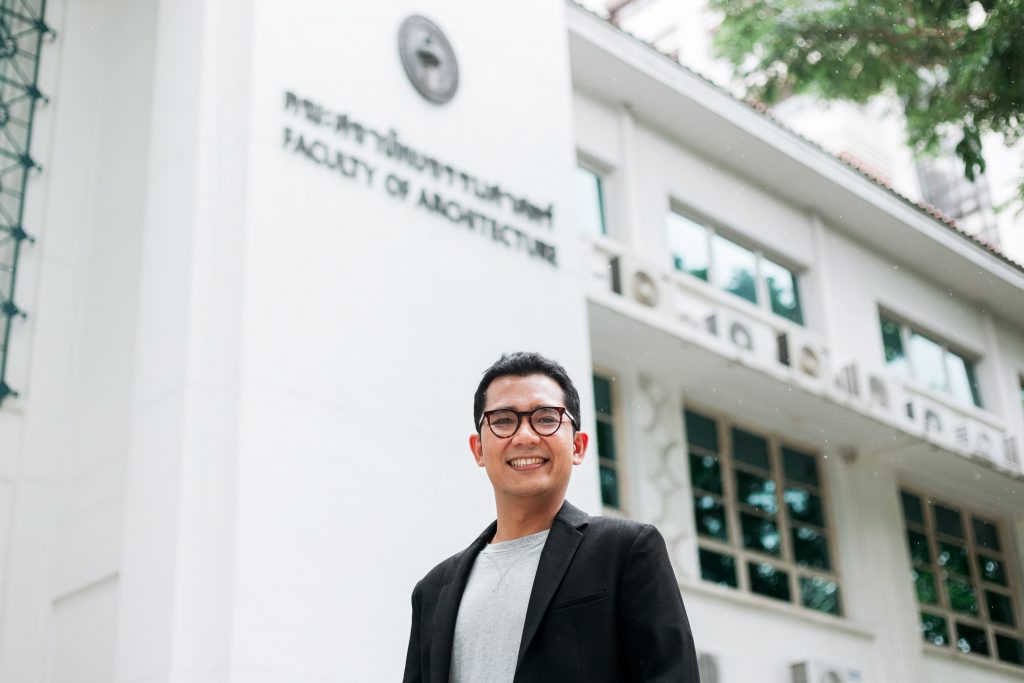
“Access to mobility data does not just allow the public sector and researchers to better understand social circumstances in a timely manner, but it also enables civil society, communities, and small-scale business owners to be more data driven in making a decision and finding solutions,” Asst. Prof. Dr. Nattapong said.